
Mesoptychia badensis
| Common Name | Scarce Notchwort |
| Quick & Dirty ID | Death by obscure liverwort (kidding john!) |
Image Gallery
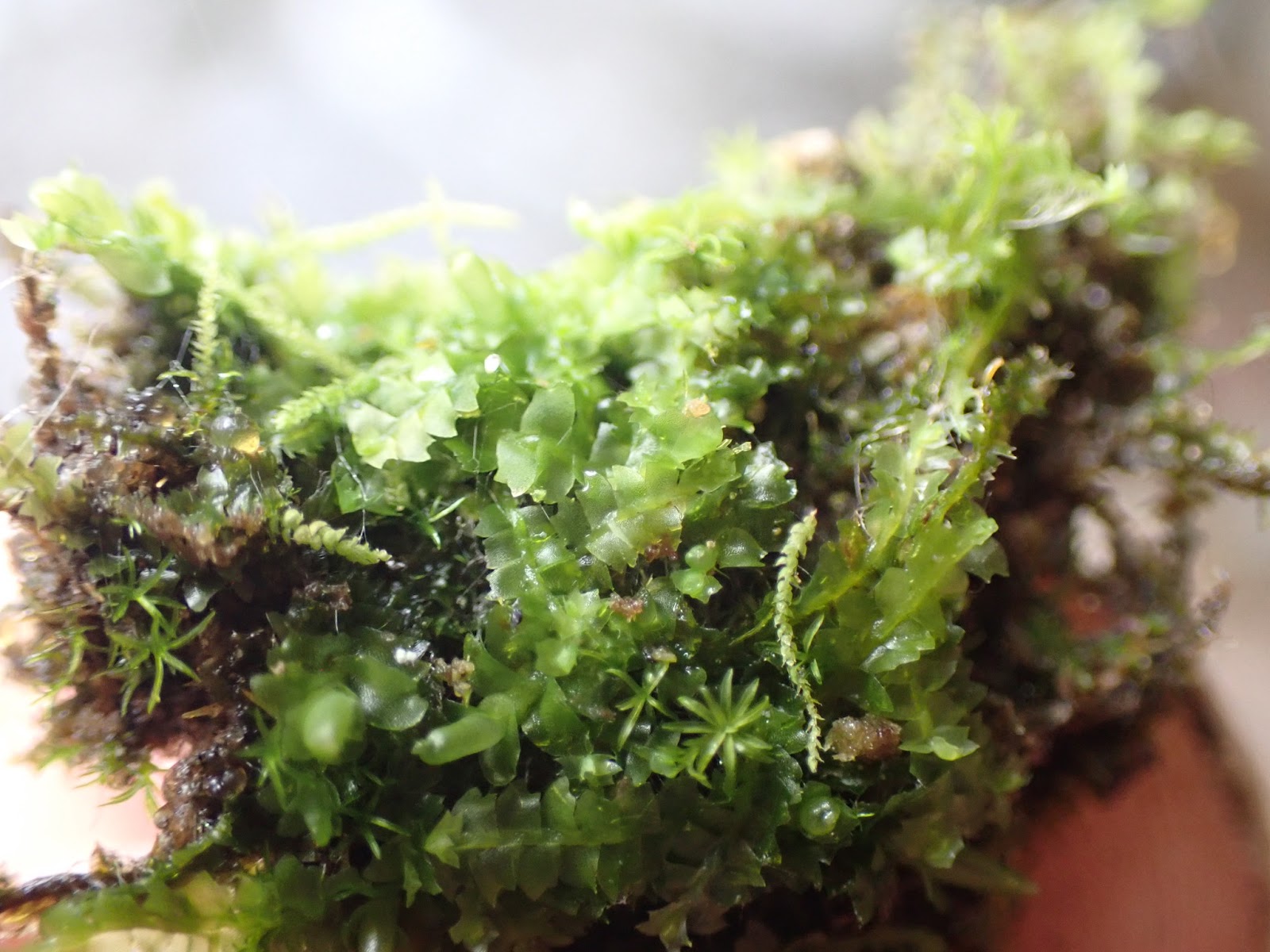
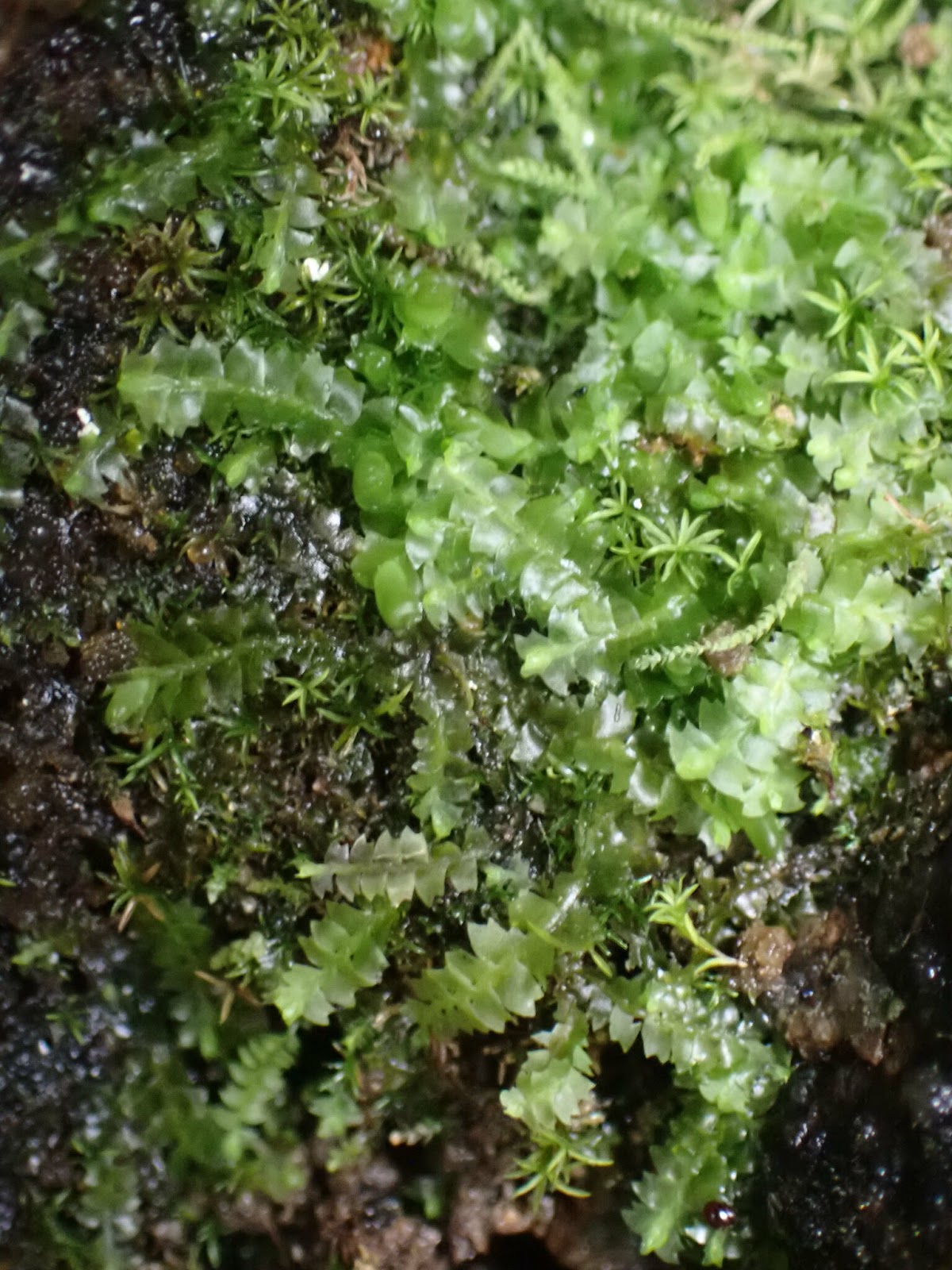
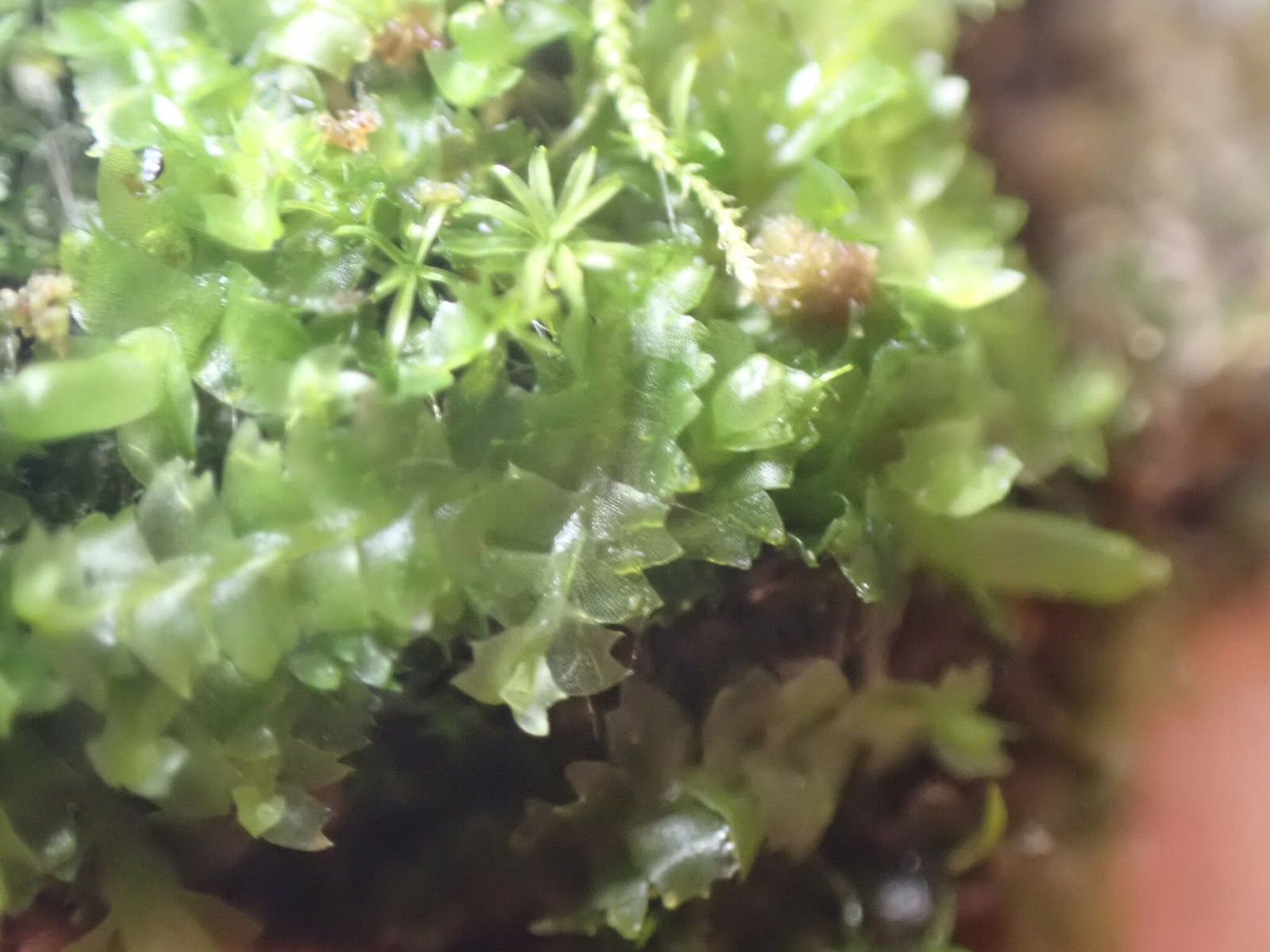
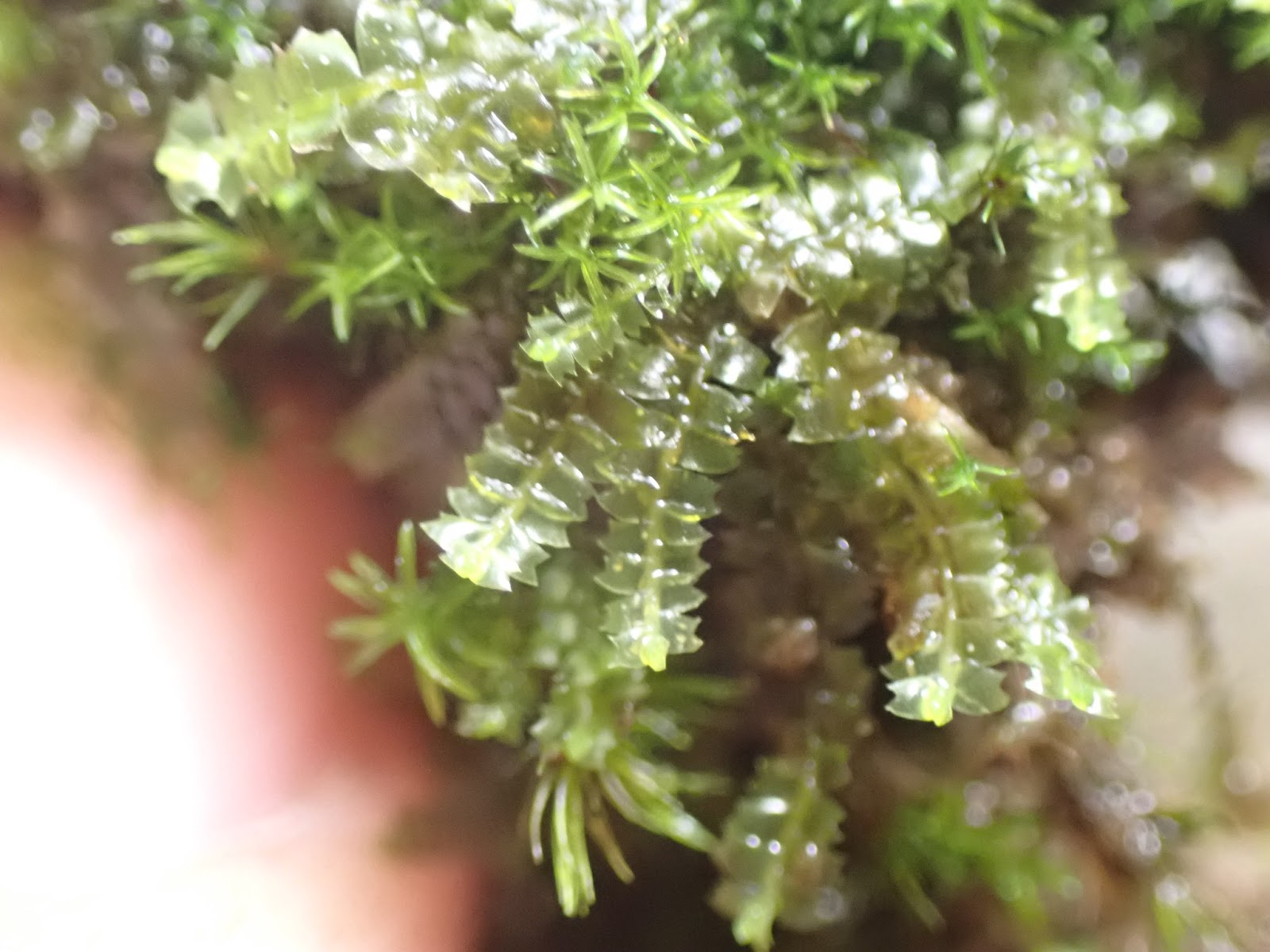
Distinguishing Features
Mesoptychia badensis is a small (leafy shoots 0.3-0.6 mm wide), shallowly-bilobed and brownish-green lover of calcareous rocks and sediments, substrates to which it is exclusive. With a strong hand lens or under a dissecting microscope, you should be able to make out distant, mostly symmetrical leaves that are attached obliquely along the length of the stem, with lobe tips that are rounded and a sinus that descends to no more than 1/4th of the leaf’s length. Under the compound microscope with the iris diaphragm closed, leaves should show the characteristic mound-like papillae on the cuticle as is typical for the genus. Obvious underleaves and gemmae are absent.
Similar species
The small, thread-like shoots with obliquely inserted bilobed leaves found in M. badensis are most likely to be confused with species of Cephalozia, Fuscocephalozia, Gymnocolea and Cephaloziella. In Cephaloziella, the leaves are attached across the length of the stem in contrast to their oblique attachment along the length of the stem in M. badensis. Species of Cephalozia and Fuscocephalozia can have the same leaf attachments, but their lobe apices are acute, not rounded or obtuse as in M. badensis. Gymnocolea inflata is a larger plant typical of more neutral or acidic habitats, with leafy shoots wider than 1mm whereas the leafy shoots of lime-loving M. badensis are only about .5 mm wide. Within its genus, only M. heterocolpos approaches the small size of M. badensis, but under the microscope, the former species has a smooth leaf cuticle and a well-developed 2-lobed underleaf. M. badensis has papillae on the cuticles of its leaves and the underleaf if present at all is reduced to a few cells. See table for comparison to other regional species of Mesoptychia.
Habitat
Moist to wet, calcareous (limestone) mineral soil, rock outcrops, cliffs, ledges, crevices, boulders, tufa, and streambanks in the montane and subalpine zones; rare in southwest [southern Coast Mts.] and northeast [east of the Rocky Mountains] of British Columbia.
Associated species
Distribution Map
Relevant Literature
- Godfrey, J.D. (1977). Hepaticae and Anthocerotae of southwestern British Columbia . [Doctoral dissertation, University of British Columbia]. UBC cIRcle.
- Hong, W. S. (2007). Scapania. In Flora of North America Editorial Committee (Eds.), Flora of North America North of Mexico (Vol. 3) . Oxford University Press.
- Wagner, D. H. (2013). Guide to the liverworts of Oregon: Scapania undulata . Oregon State University Herbarium.